

During the summer months, your garage can quickly turn into one of the hottest areas of your home. The temperature inside an unprotected garage can rise significantly higher than the outdoor temperature, making this space uncomfortable to use and potentially damaging stored belongings.
Whether you use your garage for parking, storage, hobbies, or as a workspace, taking steps to heat-proof this space can improve your comfort and protect your investments.
Why Garages Get So Hot
Garages are particularly vulnerable to heat because they are essentially large, poorly ventilated boxes.
Metal Garage Doors — Most garage doors are made of metal, which is an excellent conductor of heat. These doors can absorb and radiate heat directly into your space.
Lack of Insulation — Garages are rarely built with insulated walls or ceilings. This allows outdoor heat to enter freely.
Zero Ventilation — Without windows, vents, or exhaust systems, hot, stagnant air can’t escape.
Engine Heat — When you pull your hot car into your garage, it releases residual heat from the engine and exhaust.
Concrete Heat Sink — Concrete garage floors absorb warmth during the day and act as a giant radiator, slowly releasing heat during the evening.
Without proper insulation and airflow, garages can turn into heat traps that affect not only the space itself but also adjacent rooms inside your home.
How to Heat-Proof Your Garage
1. Upgrade Your Garage Door Insulation
One of the most effective ways to reduce garage temperature is by insulating the garage door. Since the door is typically the largest surface area in the garage, it can allow significant heat transfer.
Insulated garage doors help reduce heat gain during summer, improve energy efficiency, increase comfort inside the garage, and protect temperature-sensitive items you have stored.
If replacing the door isn’t an option, insulation kits can be installed on many existing garage doors to improve thermal performance.
2. Improve Ventilation
Proper airflow can help keep hot air from becoming trapped inside the garage. Consider adding wall vents, roof vents, exhaust fans, or portable floor fans, and opening windows or doors during cooler morning and evening hours to help circulate fresh air and reduce heat buildup.
3. Seal Gaps and Air Leaks
Small gaps around garage doors, windows, and entry doors allow hot outdoor air to enter continuously. Inspect and replace weatherstripping, door seals, the garage door bottom sweep, window caulking, and threshold seals.
These simple upgrades can help maintain a more consistent temperature while also reducing dust and preventing pests from entering.

4. Add Window Treatments
If your garage has windows, sunlight could significantly contribute to the temperature of this space. To help reduce heat, consider using solar screens, reflective window film, insulated curtains, or exterior awnings.
Blocking direct sunlight can reduce solar heat gain and make the space noticeably cooler.
5. Consider Adding Ceiling and Wall Insulation
If you have an attached garage, insulating the walls and ceiling can provide substantial benefits. Proper insulation slows heat transfer and helps maintain a more stable indoor environment.
This is especially important if your garage doubles as a workshop or home gym, or if you have living spaces above or adjacent to the garage. It’s also critical if you need to store temperature-sensitive items in this space.
6. Organize to Improve Airflow
A cluttered garage can restrict airflow and trap heat. Intentional organization not only improves functionality but also helps create a cooler environment.
Consider investing in wall-mounted shelves, overhead storage racks, slatwall panels, or cabinets to maximize vertical space. These storage solutions can keep items organized and off the floor and allow air to circulate more freely throughout the garage.
7. Use Light Colors When Possible
Dark surfaces absorb more heat than lighter ones. If you want to make your garage more heat-proof, consider using lighter paint colors for the walls, cabinets, and even the garage door. Reflective surfaces can help reduce heat absorption and brighten the space.
You may also want to replace old, hot fluorescent tub lights with cooler, more efficient LEDs.
How to Protect Stored Items from Heat Damage
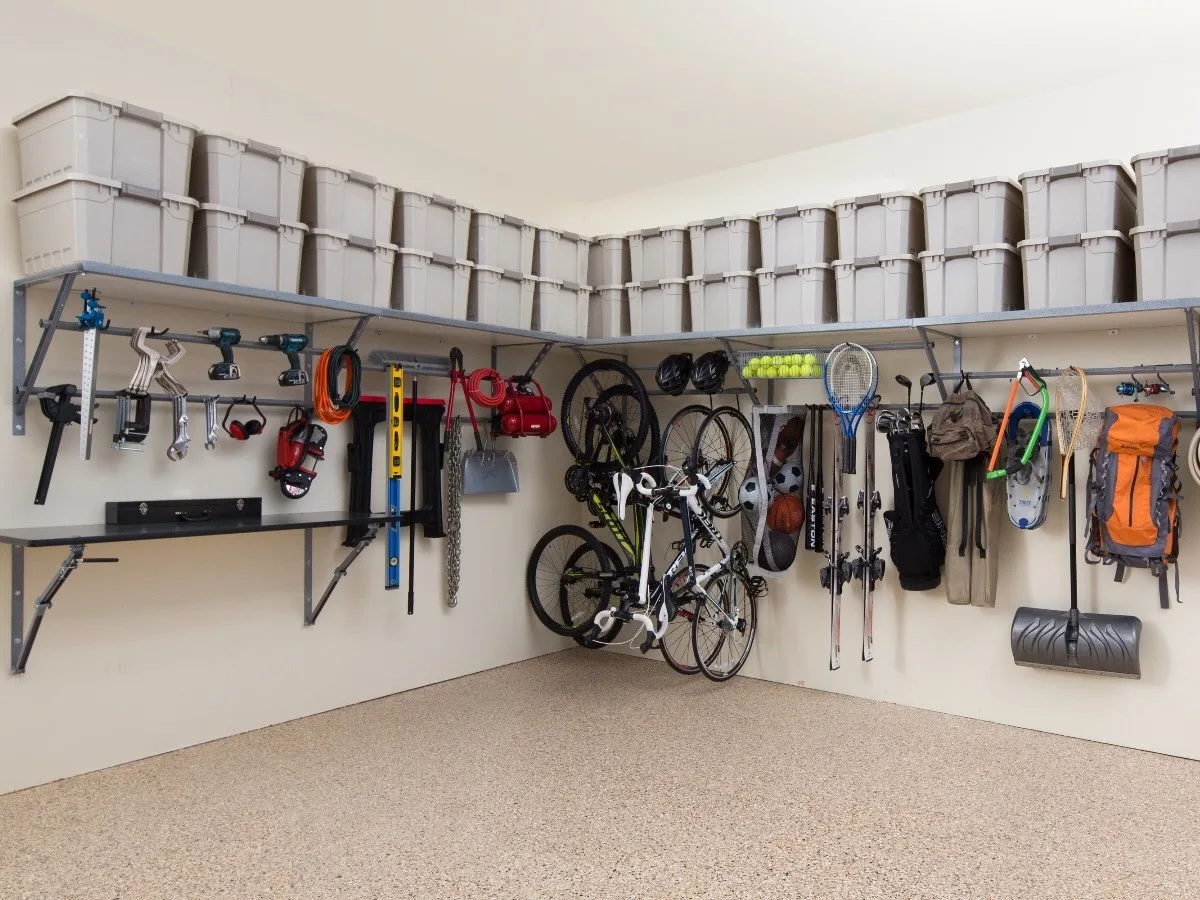
Extreme garage temperatures can affect many common household items, including paint, chemicals, electronics, batteries, sports equipment, holiday decorations, photographs, and documents.
Store these and other sensitive belongings in insulated cabinets or relocate them to climate-controlled areas when possible.
Invest in a More Comfortable Garage This Summer
Heat-proofing your garage doesn’t always require major renovations. Simple steps, such as improving insulation and ventilation, sealing air leaks, and taking time to organize belongings, can make a significant difference in comfort and usability through the hottest months of the year.