
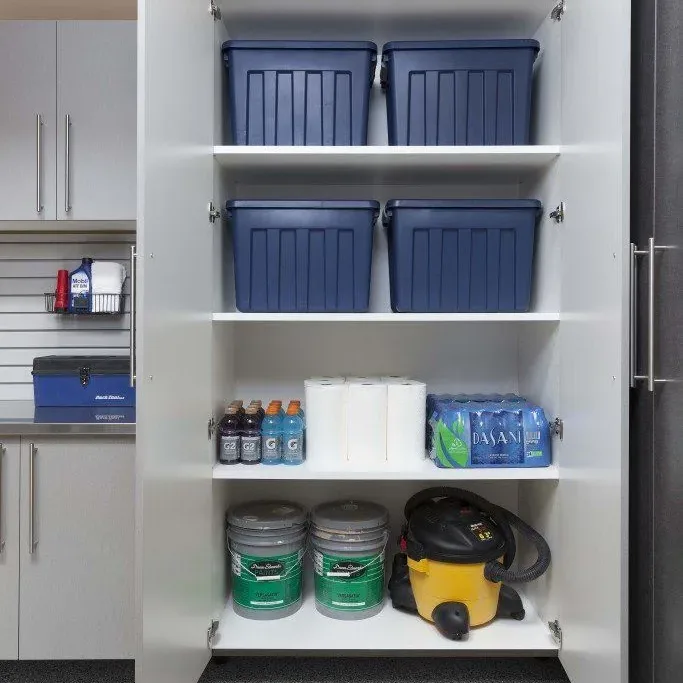
For many homeowners, the garage often becomes a catch-all for everything that doesn’t fit or have a place in their house. This includes tools, paint cans, holiday decor, old furniture, and more. While you can keep a lot in this space, not everything belongs there. Improper storage can lead to fire hazards, health risks, or costly damage to your belongings.
Here’s a guide to what you can safely store in your garage and what should be put somewhere else.
What You Can Store in Your Garage
When properly stored and organized, you can safely keep the following items in your garage:
Tools and Lawn Equipment
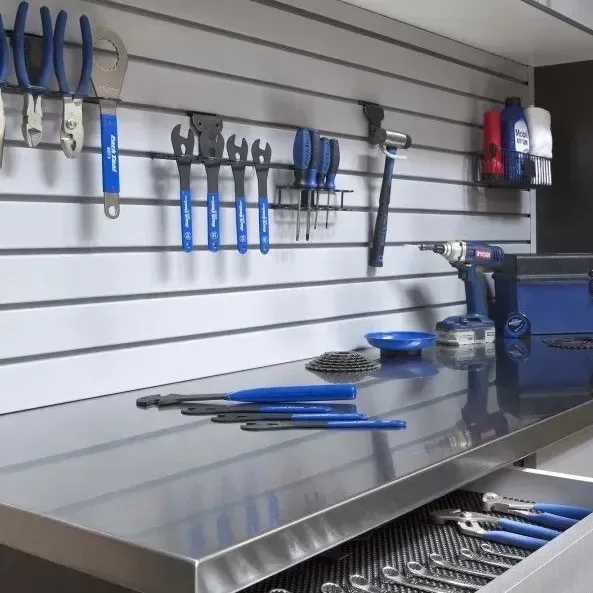
Hand tools, power tools, lawn mowers, rakes, and shovels can hold up well in garage conditions, just ensure you keep them:
- Clean and dry
- Off the floor when possibleJust mStored on hooks, shelves, or cabinets
Sports and Outdoor Gear
Bikes, camping gear, coolers, tents, and sports equipment can be stored safely in your garage. Make sure all items are dry before storing to prevent rust or mold growth.
Automotive Supplies
You can safely keep motor oil, windshield washer fluid, car wax, and spare tires in your garage. When storing car liquids in this space, keep them:
- In sealed, original containers
- Away from heat sources
- Clearly labeled
Seasonal Decorations
Holiday decor, lights, and artificial trees can be safely stored in the garage. Keep them in plastic bins with good-fitting lids to prevent water damage and keep pests away.
Paint (With Caution)
You can keep latex and oil-based paints in your garage short-term, as long as temperatures don’t drop below freezing or exceed extreme heat. Always place cans on shelves, and never directly on concrete floors.
What You Shouldn’t Store in Your Garage
Some items can be easily damaged by temperature fluctuations or humidity, or pose a safety risk when stored in the garage.
Propane Tanks
You should never store propane tanks inside your garage. Even a small leak can create a serious fire or explosion risk. Store them in a well-ventilated area, a safe distance from your house.
Gasoline (In Large Quantities)
You can store small amounts of gasoline for lawn equipment in approved containers, but keeping large quantities poses a significant risk. Gasoline lets off fumes that are highly flammable and can easily ignite.
Paint Thinners and Solvents
Flammable chemicals like paint thinner, acetone, or industrial cleaners should be stored in fire-safe cabinets or in a shed designed for hazardous containers.
Food (Including Pet Food)
Garages are not temperature-controlled and often attract pests. Storing food, birdseed, or pet food can turn your garage into a home for insects and rodents. This can lead to contamination and the risk of disease.
Paper Goods and Cardboard
Paper products absorb moisture, which can lead to mold growth or pest infestation. Keep important documents, books, photographs, and cardboard boxes indoors. You should also keep valuables, like trading cards or vinyl records, inside to avoid warping and mold.
Electronics
TVs, computers, game consoles, batteries, and other electronics can be damaged by extreme heat, cold, and humidity, as well as pose a risk of electric shock if exposed to moisture. They can rarely be kept safely in the garage.
Fabric Items
Fabric items can attract pests, mold, and mildew, fade from sun exposure, and pick up funky odors. If you need to store them in the garage, keep them in airtight containers to prevent moisture and UV rays from affecting them. However, indoor storage will always be safer.
Fabric items include:
- Mattresses
- Clothing
- Upholstered furniture
- Rugs
- Carpet
Firewood
A pile of stacked wood can attract pests, such as spiders or termites. If stored in your garage, these pests could make their way into your home. To avoid an infestation, store firewood at least 20 feet away from your home.
Garage Storage Safety Tips
To keep your garage safe and organized:

- Store flammable items away from water heaters and furnaces
- Use metal or fire-resistant cabinets for chemicals
- Install proper shelving to keep items off the floor
- Clearly label hazardous materials
- Dispose of old or unused chemicals properly
Be Smart About Garage Storage
Your garage can be a valuable storage area, but only if it’s used wisely. Knowing what belongs there and what doesn’t helps protect your home, your belongings, and your family. When in doubt, ask yourself whether the item you want to store is sensitive to temperature, can easily absorb moisture, or is highly flammable. If the answer is yes, you’re better off storing it somewhere else.