
A garage is one of the most useful spaces in a home, but it can also be the most hazardous. From sharp tools and chemicals to vehicles and storage clutter, kids and pets can easily get into trouble if you haven’t prioritized garage safety. Fortunately, by taking a few practical steps, you can transform your garage into a more secure and organized environment that protects the whole family.
Below is a complete guide to child-proofing and pet-proofing your garage.
Declutter and Organize First
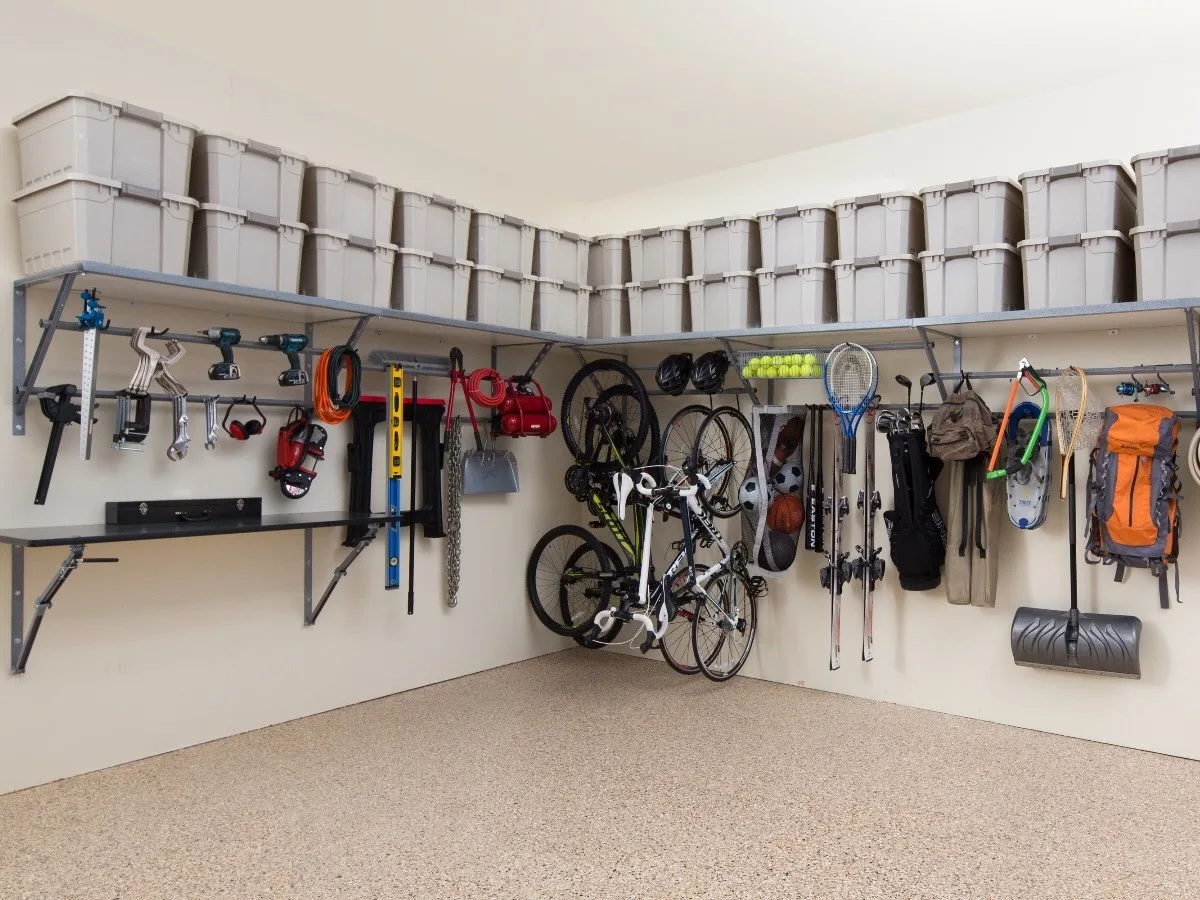
Before you install safety devices, you need to tackle the clutter. Kids and pets are naturally curious, and removing loose items reduces the chance they’ll get into something dangerous or knock something heavy onto themselves.
What to do:
- Donate, toss, or store unused gear
- Keep floors clear of tripping hazards
- Use cabinets, shelving, and wall storage to get items off the ground
- Store seasonal items in labeled bins or overhead racks
Lock Up Tools, Chemicals, & Hazardous Materials
Your garage likely contains items that can be extremely dangerous if swallowed, touched, or mishandled.
Store Safely:
- Place chemicals, such as oil, antifreeze, paint, and pesticides, in locked cabinets
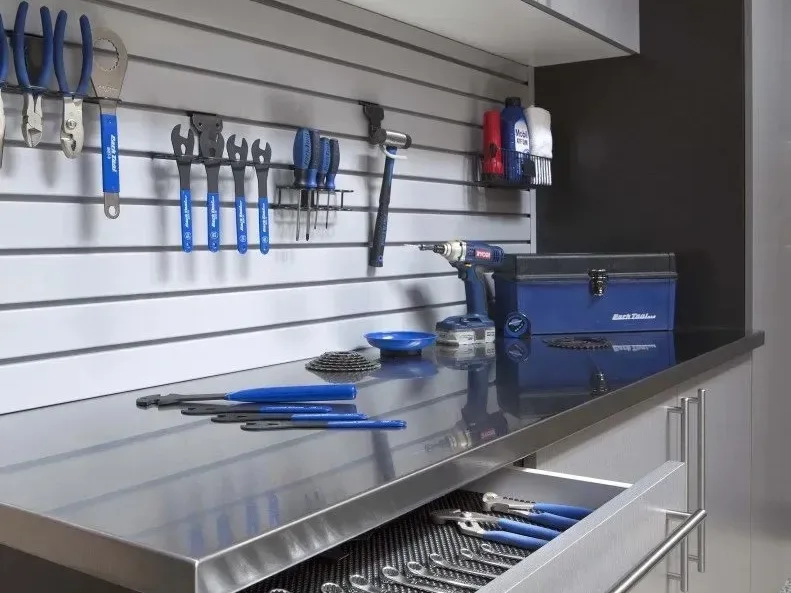
- Keep sharp tools (hand tools and power tools) behind closed doors or on a locked wall rack
- Install safety locks on storage drawers and cabinets
- Ensure heavy yard tools (shovels and rakes) are hung securely
Tip:
Use child-proof latches on even high-up cabinets, as toddlers and young kids tend to climb to get what they want.
Secure the Garage Door and Entry Points
Kids and pets may accidentally trigger garage doors or wander in without notice.
Safety Steps:
- Make sure wall-mounted garage door buttons are at least five feet above the ground
- Enable vacation lock mode or disable remotes when needed
- Keep spare garage door remotes out of reach of young children
- Check sensors regularly to make sure they aren’t dirty or misaligned and that the auto-reverse function works properly
- Install door sweepers or weather stripping to block tiny gaps that pets could squeeze through
- Always keep the garage door shut when not in use
Create a Safe “No-Go” Zone
Some areas of your garage should simply be off-limits.
How to set boundaries:
- Use baby gates or temporary barriers to block off workbenches, storage rooms, or utility areas
- Add signage (“No Entry” or “Tools in Use”) to help older kids understand hazards
- Designate a “no-play” line on the floor away from the garage door’s path
Install Proper Lighting
Dim or cluttered areas increase the chance of accidents.
To improve visibility:
- Add LED lights to brighten the whole space.
- Use motion-sensor lights for entrances or high-risk zones
- Ensure stairways and steps are clearly illuminated
- Replace burnt-out bulbs as soon as possible
Keep Trash and Recycling Out of Reach
Garage trash bins often contain sharp objects, chemicals, or spoiled food tempting to pets.
If you keep your trash bins in the garage, make sure you:
- Use bins with tight, locking lids
- Store them inside a cabinet or behind a gated area
- Keep bags tied securely and avoid overfilling
Store Vehicles and Equipment Safely
Vehicles, lawnmowers, snowblowers, and bikes can all pose risks.
Key precautions:
- Never leave keys in vehicles or equipment
- Keep bikes and sports gear on wall hooks or ceiling racks
- Store fuel in certified, child-resistant containers
- Keep cars away from anything flammable
Address Temperature and Ventilation Concerns
Garages can get really hot and stuffy in the summer and cold and moist in the winter, and poor ventilation can trap toxic fumes.
To improve safety:
- Don’t let cars run inside the garage (especially with the garage door closed)
- Install carbon monoxide detectors near entry points to the home
- Add proper insulation or improve ventilation if your pets spend time in the garage.
- Don’t store pet food (even in sealed containers) in the garage, as heat and humidity can attract pests.
Prevent Slips and Falls
Smooth or wet garage floors can lead to slips, falls, and injuries.
To make your garage safer:
- Use non-slip mats near doorways and work areas
- Clean oil or chemical spills immediately
- Add a floor coating with grit-based slip resistance
Perform Regular Safety Checks
Safety is an ongoing commitment. You should review your garage setup regularly.
Monthly checks:
- Test locks and latches
- Confirm chemicals are sealed and stored safely out of reach
- Inspect shelves for stability
- Check for new tripping hazards or clutter
Keep Your Kids and Pets Safe in the Garage
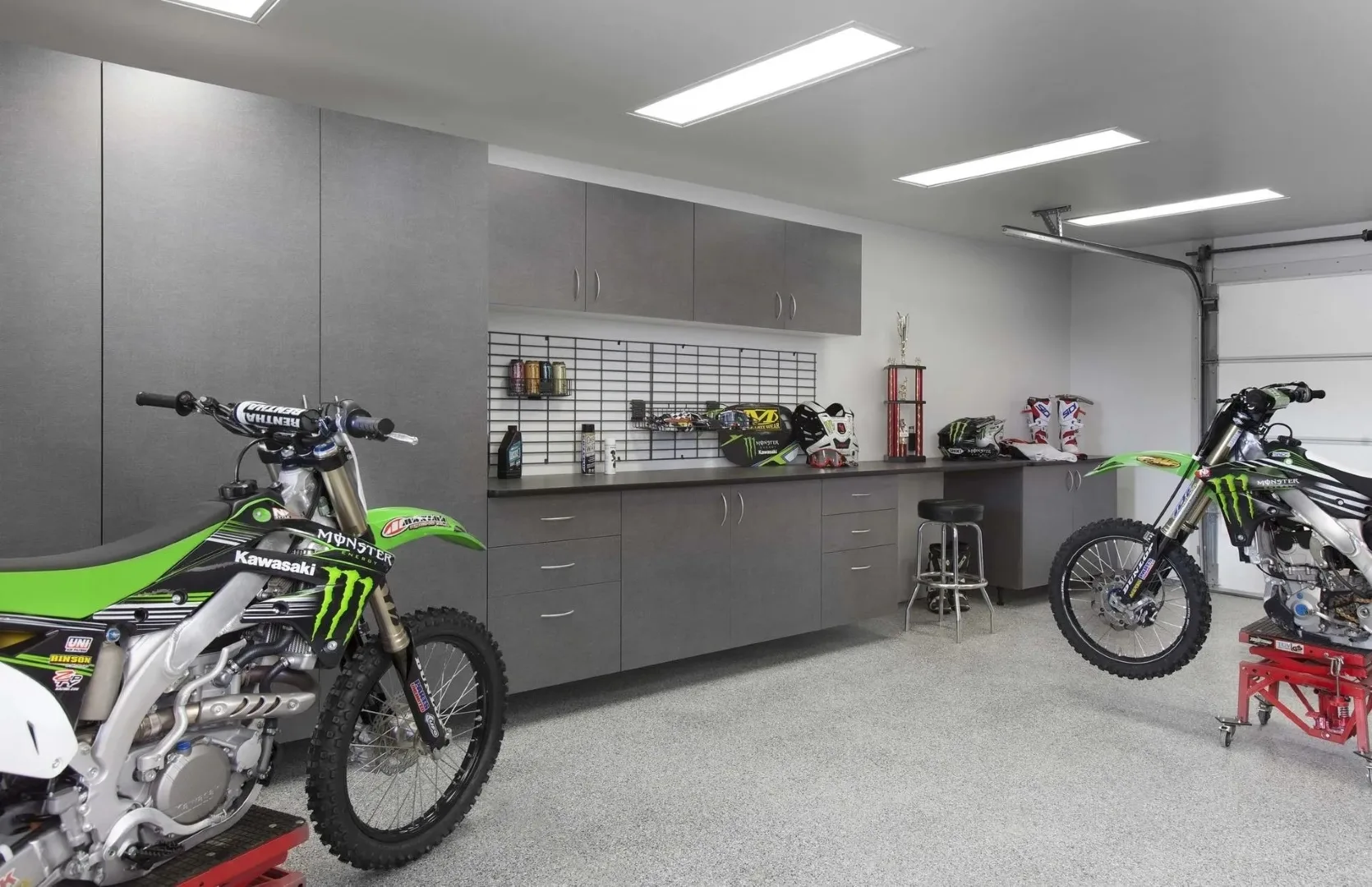
Child- and pet-proofing your garage doesn’t have to be complicated; it just requires a thoughtful setup and consistent safety habits. By securing hazardous materials, improving organization, and creating clear boundaries, your garage can become a safe, functional extension of your home that keeps your kids and pets out of harm’s way.
If you haven’t evaluated your garage in a while, now is the perfect time to make a few upgrades to protect the whole family.